
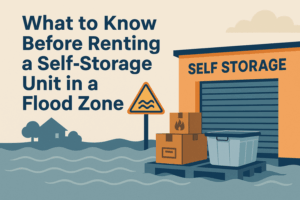
Renting a Self-Storage Unit in a Flood Zone: What Residents of Broome & Chenango County Need to Know
Protecting What Matters — From Binghamton to Greene, NY
At Laing Self Storage, we know that living near rivers like the Susquehanna or Chenango brings both scenic views and seasonal flooding concerns. If you’re looking to rent a storage unit in Binghamton, Endicott, Endwell, Conklin, Greene, or Lisle, understanding what it means to store belongings in or near a flood zone is essential.
🌊 What Is a Flood Zone — and Why It Matters
Broome and Chenango Counties contain several FEMA-designated floodplains, especially near the Susquehanna River, Chenango River, and Nanticoke Creek.
A facility in a flood zone doesn’t automatically mean your items are unsafe — but it does mean you should ask questions about elevation, drainage, flood history, and protection systems.
🏗️ What to Look for When Renting a Unit in a Flood-Prone Area
-
Check Elevation & Drainage
-
Ask About Flood History
-
Reputable facilities should be transparent about past flooding events and any structural upgrades or waterproofing improvements made afterward.
-
-
Inspect Unit Seals and Construction
-
Look for tight door gaskets, sealed concrete floors, and no visible water lines or stains inside the unit.
-
-
Verify Insurance Options
-
Most homeowner or renter policies don’t cover flood damage. Ask about tenant protection plans or flood-specific coverage available for your storage unit.
-
📦 How to Protect Your Belongings in a Flood Zone Storage Unit
Even in well-built facilities, renters can take simple precautions:
-
Store items on pallets or shelving — keep boxes off the floor.
-
Use plastic totes instead of cardboard boxes.
-
Cover furniture with plastic or waterproof wrap.
-
Use desiccant packs to reduce humidity.
-
Check your unit regularly, especially after heavy rain.
- More Tips
⚠️ FAQ: Renting Storage in a Flood Zone
Q: Have any of the Laing Self Storage facilties ever flooded. ?
No – none of Laing Self Storage facitlies have ever flooded – during the 2006 and 2011 floods, all locations were dry.
Q: Will my storage insurance cover flood damage?
Not all insurance does. We encourage renters to review their policy and consider add-on flood protection.
Q: How can I find out if my storage unit is in a flood zone?
You can check FEMA’s Flood Map Service Center or simply ask our team — we’re always transparent about site design and risk mitigation.
🗺️ Laing Self Storage: Local Facilities You Can Trust
Serving Broome & Chenango County, our facilities are conveniently located:
-
Binghamton, NY – Located on the West Service Road next to Abbey Services Crane & Storage
-
Endicott, NY – Located on North Ave next door to the Wedding Gown Preservation
-
Endwell, NY – Located right off E. Main Street next door to Hanks Clothing
-
Conklin, NY – Located in the Corporate Park behind Laing Industries
-
Greene, NY – Across from Dollar General and Tractor Supply
-
Lisle, NY – Located right off Route 79, right past the Weedpatch
Wherever you store — Laing Self Storage keeps your belongings safe, accessible, and protected from the elements.
🧭 Final Thoughts
Renting a storage unit in a flood-zone area doesn’t have to be risky — it just requires awareness, planning, and partnering with a facility that takes flood mitigation seriously.
At Laing Self Storage, we’ve built our reputation around trust, transparency, and protection — so you can store with peace of mind no matter the weather.